
Dermal healing review, 2016
Kleinman and Sosne reviewed thymosin beta-4 in dermal repair and reported faster healing in patients with pressure ulcers and chronic non-healing wounds. Reported in the cited paper.
SourceResearch Use Only. Products listed are not for human or animal consumption. Statements have not been evaluated by the FDA.View full disclaimers →
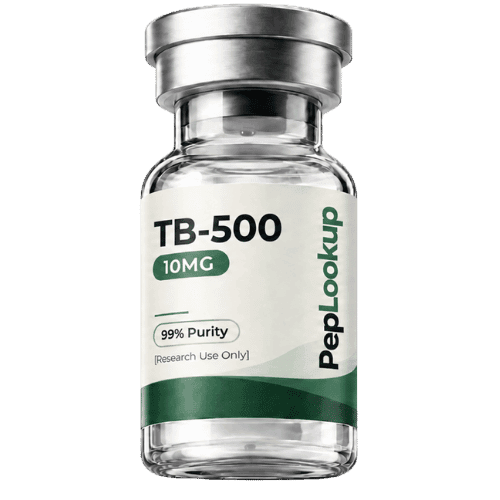
TB-500 is a synthetic fragment reproducing part of the naturally occurring protein Thymosin Beta-4. It is studied for systemic tissue repair, cell migration, wound healing and flexibility, and is widely used in regenerative and athletic recovery research contexts.
Supplier listings
Form
Show prices as
Size
106 listings · TB-500
In stock5mgseen 2w ago
In stock10mgseen 7w ago
In stock2mgseen 2w ago
In stock5mgseen 7w ago
In stock5mgseen 7w ago
In stock5mgseen 7w ago
In stock5mgseen 7w ago
In stock5mgseen 4w ago
In stock5mgseen 7w ago
In stock5mgseen 7w ago
In stock2mgseen 7w ago

In stock10mgseen 5w ago
In stock10mgseen 2w ago
In stock5mgseen 6w ago
In stock5mgseen 5w ago
In stock10mgseen 7w ago

In stock5mgseen 7w ago

In stock10mgseen 7w ago
In stock5mgseen 7w ago
In stock5mgseen 7w ago
In stock10mgseen 7w ago
In stock10mgseen 7w ago
In stock10mgseen 7w ago
In stock10mgseen 7w ago

In stock10mgseen 7w ago
In stock10mgseen 2w ago
In stock10mgseen 7w ago
In stock10mgseen 7w ago
In stock10mgseen 7w ago

In stock10mgseen 7w ago
In stock10mgseen 7w ago
In stock10mgseen 23h ago
In stock10mgseen 2w ago
In stock5mgseen 7w ago
In stock5mgseen 7w ago
In stock10mgseen 7w ago
In stock10mgseen 7w ago
In stock10mgseen 7w ago
In stock5mgseen 7w ago
In stock5mgseen 7w ago
In stock5mgseen 7w ago
In stock10mgseen 6w ago
In stock10mgseen 7w ago
In stock10mgseen 7w ago
In stock10mgseen 5w ago
In stock10mgseen 7w ago

In stock10mgseen 7w ago
In stock10mgseen 7w ago
In stock5mgseen 7w ago
In stock5mgseen 7w ago
In stock10mgseen 4w ago
In stock10mgseen 7w ago
In stock10mgseen 7w ago
In stock10mgseen 7w ago
In stock10mgseen 2w ago
In stock5mgseen 7w ago
In stock5mgseen 7w ago
In stock10mgseen 4w ago
In stock10mgseen 7w ago

In stock10mgseen 7w ago
In stock10mgseen 7w ago
In stock10mgseen 7w ago
In stock5mgseen 7w ago

In stock10mgseen 7w ago
In stock10mgseen 7w ago
In stock10mgseen 7w ago
In stock10mgseen 7w ago
In stock10 mg · 2 vialsseen 3w ago
In stock10mgseen 7w ago
In stock10 mg · 10 vialsseen 7w ago
Out of stock10mgseen 7w ago
Out of stock5mgseen 7w ago
Overview
TB-500 is a synthetic fragment reproducing part of the naturally occurring protein Thymosin Beta-4. It is studied for systemic tissue repair, cell migration, wound healing and flexibility, and is widely used in regenerative and athletic recovery research contexts.
What the research reports
Outcomes described across the published TB-500 literature and ongoing study. Read each as research context rather than a promised personal result.
Systemic tissue repair work
Thymosin Beta-4 sequesters actin and supports cell migration, which underpins its study in wound repair across several tissue types. Reported in research settings.
Wound healing study record
A 2016 review described faster dermal repair in patients with pressure ulcers and chronic wounds treated with thymosin beta-4. Reported in research settings.
Flexibility and mobility study
Often researched for connective tissue pliability after injury. No published human trial has directly measured flexibility as a primary outcome in this indication.
Inflammation modulation study
Often researched for connective tissue pliability after injury. No published human trial has directly measured flexibility as a primary outcome in this context.
Cardiac and regenerative study
Preclinical research explores cardiac cell survival and regeneration through reactivation of embryonic repair programmes in adult tissue. Reported in research settings.
Clinical evidence
The published TB-500 record, labeled by strength so you can see what is settled and what is still emerging.
Kleinman and Sosne reviewed thymosin beta-4 in dermal repair and reported faster healing in patients with pressure ulcers and chronic non-healing wounds. Reported in the cited paper.
SourceA 2023 review described cardiac cell survival and regeneration in animal hearts, attributed to reactivation of embryonic repair programmes in adult tissue. Reported in the cited paper.
SourceA 2018 paper reported improved sepsis mortality in rats through actin regulation and a reduction in circulating inflammatory mediators during infection. Reported in the cited paper.
SourceInteractions
Questions