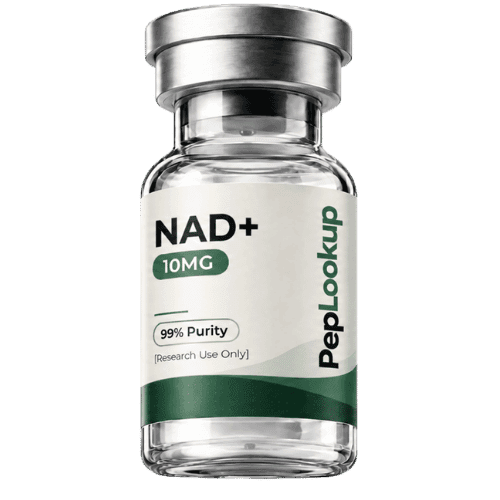
NAD+ is a coenzyme present in every cell, central to energy metabolism, DNA repair and sirtuin signalling. It is not a peptide. Supplemental forms include intravenous infusion, subcutaneous injection and oral precursors such as NMN and nicotinamide riboside.
NAD+ is a coenzyme present in every cell, central to energy metabolism, DNA repair and sirtuin signalling. It is not a peptide. Supplemental forms include intravenous infusion, subcutaneous injection and oral precursors such as NMN and nicotinamide riboside.
Cellular Energy
DNA Repair
Longevity
Metabolic Health
What the research reports
Reported benefits of NAD+
Outcomes described across the published NAD+ literature and ongoing study. Read each as research context rather than a promised personal result.
01
Cellular energy metabolism
Sits at the centre of mitochondrial energy production, acting as the electron carrier that drives ATP generation in every cell. Reported in research settings.
02
DNA repair pathway support
Serves as substrate for PARP enzymes involved in DNA repair, which is the mechanistic basis for most longevity interest. Reported in research settings.
03
Sirtuin activation dependency
Sirtuins depend on NAD+ as a cofactor, linking its availability to pathways associated with cellular ageing in laboratory work. Reported in research settings.
04
Age related NAD+ level decline
A cohort of 1,518 people found whole blood NAD+ declines with age in males, with a notable drop in the 40 to 49 group. Described in the research record.
05
Clinic based infusion use
Intravenous protocols have become common in wellness and longevity clinics, though controlled efficacy trials remain absent. Reported in research settings.
Clinical evidence
NAD+ clinical evidence summary
The published NAD+ record, labeled by strength so you can see what is settled and what is still emerging.
Blood NAD+ levels and ageing (contested)
A 2022 cohort of 1,518 people reported that whole blood NAD+ content declines with age in males, with a notable drop in the 40 to 49 age group. A larger 2026 study across seven independent cohorts, using more rigorous measurement methods, found no age related decline in blood NAD+ and suggested the earlier finding may reflect sample handling artifacts rather than real biology. Reported in the cited papers.
A 2023 cohort of 169 healthy individuals assessed NAD+ alongside sirtuin 1, klotho and other markers, reporting variation by age and by sex. Reported in the cited paper.
The listed studies measure NAD+ as it varies naturally rather than testing supplementation, so clinical efficacy data remains preliminary. Reported in the cited paper.
Synergistic for mitochondrial function. Both act on cellular energy pathways by complementary routes.
5-Amino-1MQ
NNMT inhibition affects nicotinamide handling, so spacing the two apart is commonly suggested.
Resveratrol
Often paired on the theory of sirtuin support, although controlled human data for the pairing is absent.
Alcohol intake
Alcohol metabolism consumes NAD+, so heavy intake works against the stated purpose of supplementation.
Questions
Frequently asked questions.
Is NAD+ a peptide?
No. NAD+ is a coenzyme, not a peptide. It is not built from amino acids the way peptides are. It is listed here because researchers often search for it alongside peptides and compare suppliers the same way.
What is NAD+?
NAD+ is a coenzyme found in every cell, central to energy metabolism, DNA repair and sirtuin signalling, the biological pathways most associated with cellular ageing research.
Does NAD+ decline with age?
The evidence is mixed. An earlier cohort study reported a decline in blood NAD+ with age, particularly in men aged 40 to 49, but a larger 2026 study across seven cohorts found no age related decline and suggested earlier findings may reflect sample handling issues rather than real biology. This remains an active research question.
What is the difference between NAD+ and NMN?
NMN is a precursor the body converts into NAD+. NAD+ is the active coenzyme itself, while NMN is one of the oral precursor forms researchers use to try to raise NAD+ levels indirectly.
Is NAD+ for research use only?
Yes. PepLookup lists NAD+ for research and comparison purposes only. We do not provide dosing, route or administration guidance. Consult the primary literature cited in the Evidence section above.